
Steven Camp MD Plastic Surgery & Aesthetics
3416 Lovell Avenue, Suite 200
Fort Worth, Texas 76107
Phone: (817) 228-4315
Fax: (817) 719-9323
Monday-Friday: 9 a.m.–5 p.m.
Facelift Recovery Guide
Patients often hesitate to schedule a deep plane facelift because they’re anxious about the recovery. The truth is, recovery today looks nothing like it did even a decade ago. Thanks to advanced surgical techniques and refined after-care, most people are surprised by how comfortable and manageable the process feels.
If you’re considering or preparing for a facelift, this guide walks you through exactly what to expect during recovery. You’ll receive helpful tips on managing swelling and bruising, as well as guidance on navigating the emotional journey to keep your spirits high along the way.
Facelift Recovery Timeline
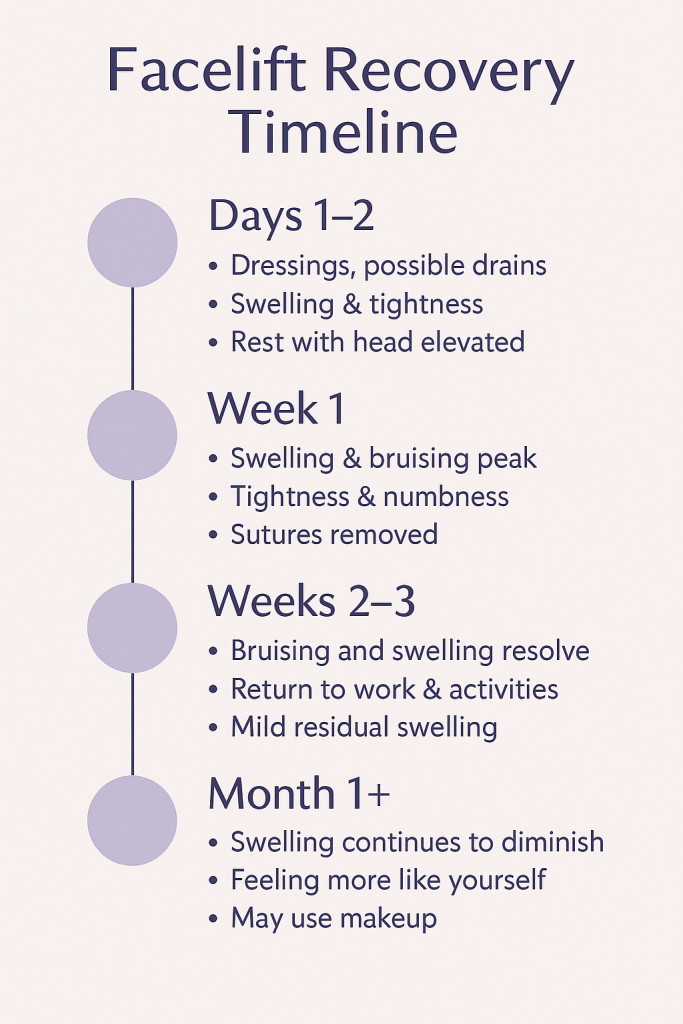
The First 24 to 48 Hours
Right after surgery, you’ll go home with light dressings and, potentially, small drains to prevent fluid buildup. You may feel mild pressure, tightness, or fullness, but not sharp pain.
During these first 2 days:
- Keep your head elevated even when sleeping.
- Use cold compresses for short intervals to ease swelling.
- Stay hydrated and eat soft, nourishing foods.
- Rest as much as possible and avoid bending or lifting.
Dr. Camp checks in with you the next day to ensure your healing is on track.
The First Week
Your main job this week is to rest and follow your care plan closely.
Days 3 to 7
Swelling and bruising may peak around day 3 and then gradually subside. Tightness, mild numbness, or firmness along the jaw and neck are entirely normal. You should take short walks around the house to keep your circulation moving, but refrain from any strenuous activity yet.
By the end of the first week, we’ll remove the sutures, and you’ll already notice early improvements, such as a more defined jawline and lighter-feeling cheeks. Many patients feel comfortable venturing out with a bit of concealer or a scarf.
Weeks 2 to 3
At this stage, swelling and bruising fade dramatically. Incisions start to soften, and your skin tone appears more even. You may still experience minor numbness or stiffness, especially around the ears or neck, but this typically improves daily.
Most patients return to work or light social activities by week 2, and friends often comment that you look rested without realizing you’ve had surgery.
Weeks 4 to 6
By a month out, swelling has mostly resolved, and your face feels natural again. Incision lines fade quickly and can usually be covered with makeup once cleared by Dr. Camp. You can resume most normal activities, including light exercise, gentle yoga, and even travel, as long as you avoid any activities that strain your neck.
Skin care is important. Use sunscreen daily, stay hydrated, and avoid harsh exfoliants until your skin feels completely comfortable. Small areas of residual tightness or firmness are normal and continue to soften over the next few months.
Months 2 to 6
At 2 to 3 months, your facelift results become clearly visible as the last traces of swelling disappear, and your features move freely and comfortably. Over the following months, facelift scars continue to fade and blend seamlessly. Protecting your skin from the sun and following a healthy lifestyle will keep your results looking their best for years.
Expertise You Can Trust. Results You'll Love.
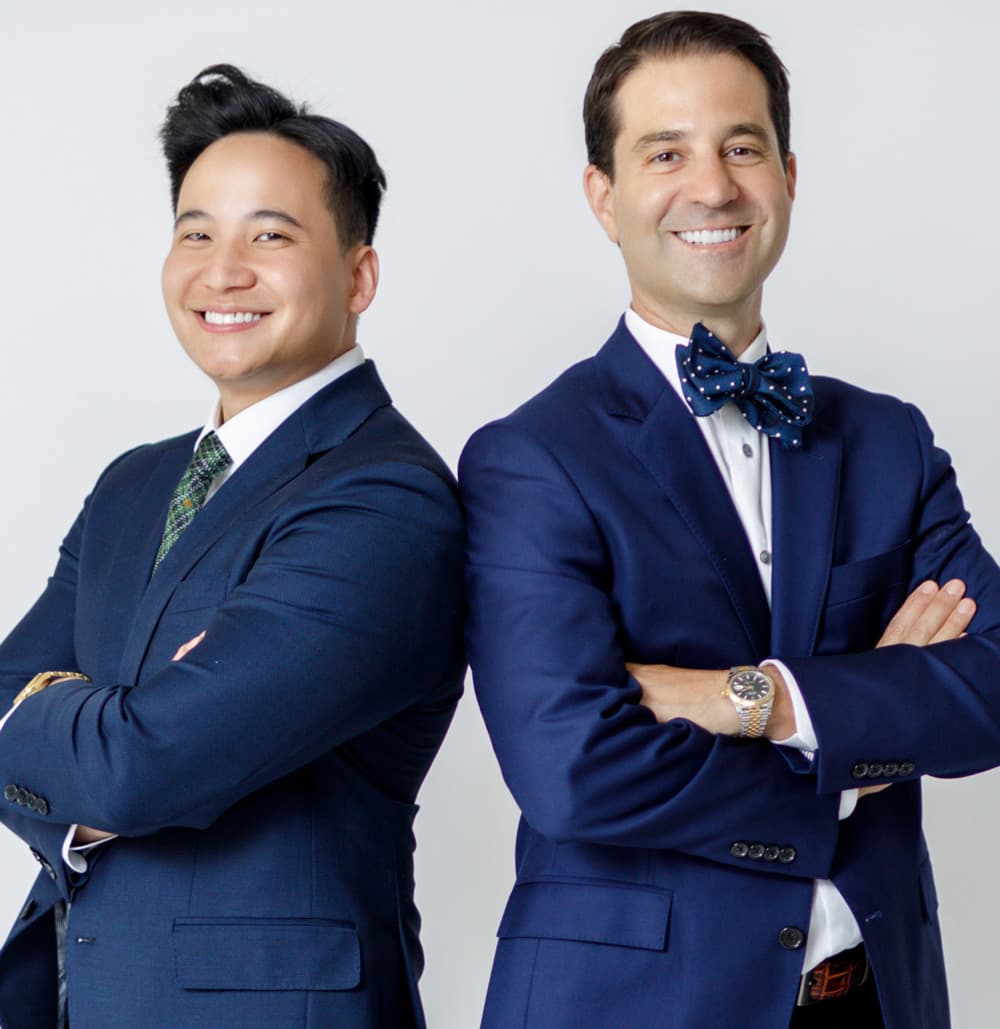
At Camp Plastic Surgery, your care is in the hands of two exceptional plastic surgeons. Dr. Steven Camp, a nationally recognized leader in aesthetic surgery, is known for delivering refined, natural-looking results and setting the standard for excellence. He's joined by Dr. David Nguyen, a plastic surgeon with top-tier training and a sharp eye for detail. Together, they bring a powerful combination of experience, innovation, and personalized care to help you look and feel your best.





*Organizations and awards associated with Dr. Steven Camp
Managing Discomfort, Swelling & Bruising
Most patients are pleasantly surprised by how little discomfort they experience after facelift surgery. Instead of pain, they describe tightness or fullness, which improves quickly.
Here’s how to make recovery even smoother:
- Sleep with your head elevated for at least 2 weeks.
- Use cold compresses for the first 48 hours.
- Closely follow Dr. Camp’s medication and incision-care instructions.
- Stay hydrated and limit salt to reduce swelling.
- Avoid smoking or vaping, which can slow healing.
For more detailed comfort and care advice, refer to our blog post on facelift recovery tips.
Sleep, Skin Care & Activity Guidelines
Sleep: Rest on your back with your head and shoulders propped up on 2 pillows. Avoid side sleeping until Dr. Camp gives the go-ahead.
Skincare: Stick to gentle, fragrance-free cleansers and moisturizers. Hold off on active products such as retinol or exfoliants until cleared.
Activity: Gradually add light walking or stationary cycling after 2 weeks. Avoid heavy lifting, straining, or inversions for 3 to 4 weeks.
Listen to your body. Trying to do too much, too soon, can actually delay your recovery.
The Emotional Side of Recovery
Healing isn’t only physical—it’s emotional too. It’s normal to have moments of self-doubt or impatience when swelling or bruising makes it hard to see your final result. Remind yourself that recovery is temporary. Each day brings progress, and the results are worth the wait.
Some patients find it helpful to take gentle walks, practice gratitude, or even keep a photo journal of their healing journey. Within a few short weeks, you’ll see why that patience paid off.
If questions arise along the way, you can find answers to common facelift concerns in our related blog post or contact us directly.
When To Contact Us
Facelift complications are rare, but you should call your surgeon immediately if you experience unusual swelling, bleeding, persistent pain, or fever. Dr. Camp’s team monitors every patient closely and can quickly guide the next steps. You’ll never be left wondering what’s normal or when to come in.
Take the Next Step
Discussing what to expect with an experienced board-certified plastic surgeon, such as Dr. Camp, helps put your mind at ease when considering facelift surgery and its recovery. Use the online form to request a consultation or call us at (817) 228-4315 to schedule an appointment.